Low carbon life is to reduce the energy consumed in daily life as far as possible, so as to reduce the emission of carbon dioxide. Low carbon life, for us ordinary people, is a life attitude.
What is low carbon? How to achieve low carbon home decoration
"Low carbon" is a concept that covers a wide range of contents. All the ways to reduce carbon dioxide emissions can be collectively referred to as low carbon, including energy conservation and emission reduction in industrial production, green design of buildings and energy conservation of automobiles. Low carbon life can save energy and reduce the emission of harmful substances.
Simple and easy to save energy
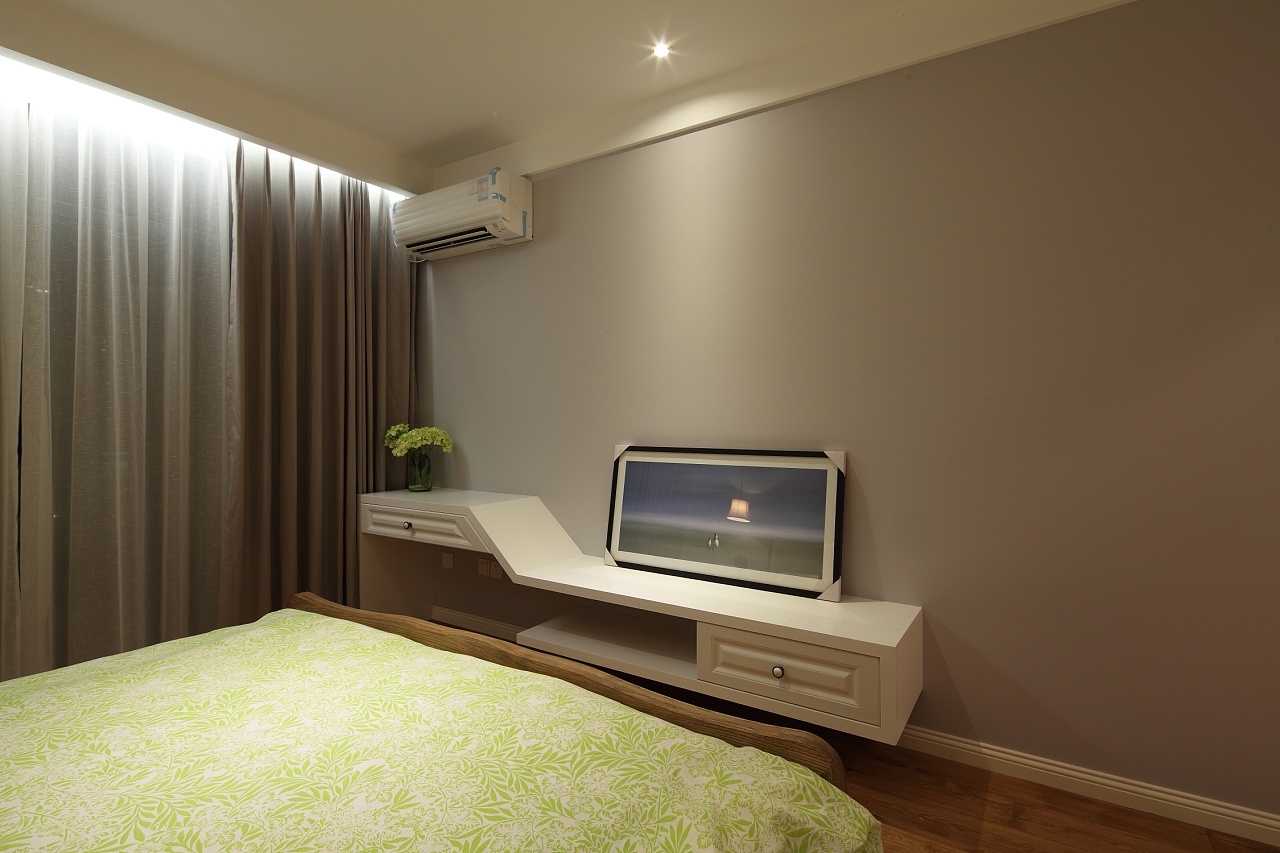
In recent years, simple design style has gradually become the dominant style in family decoration. The simple style is exactly the most reasonable key factor in energy saving of home decoration. Of course, simplicity is not equal to simplicity. As long as the design is well considered, simple style is very suitable for modern decoration, especially for young people's decoration. And this design style can minimize the waste of materials in the family decoration. Transparent design is now gradually accepted by more and more owners, while maintaining ventilation and air circulation, it also greatly reduces energy waste.
Color return to environmental protection and nature
Before the home is always the same white, with the development of chemical industry, home color more and more. In fact, the use of color is also related to energy saving, too much use of red, green, purple and other dark colors will actually waste energy.
Especially in the high temperature season, because the dark color coating is more heat absorbing, large area design is used in the home decoration wall surface, during the day absorbs a lot of heat energy, and the use of air conditioning at night will increase the energy consumption of the room.
Green building materials build low carbon life
In the process of decoration, in fact, we can use more lightweight partition materials such as light steel keel and gypsum board in some "zones" that do not pay attention to fastness, and try to use less clay solid bricks, spotlights, aluminum alloy doors and windows, etc. And in some designs, we can also consider giving up. For example, most families only use spotlights and light belts occasionally. In fact, they are expensive designs, which may become a big waste. Can completely through the material contrast, the color collocation and so on each kind of means, replaces the spotlight and the lamp belt.
In addition, when moving a new house, the furniture that can continue to be used should not be changed. Use more bamboo and rattan furniture, these materials are renewable, but also can reduce the consumption of forest resources.
Low carbon life, home furnishing industry seems to have been a step ahead. From environmental protection materials to environmental decoration, from cutting down trees to building fast-growing forests, from luminous roof design to solar lamps.
Human activities need to consume energy and release a lot of carbon dioxide. Scientists have found that the amount of carbon dioxide in the air has increased by 30% in the past 200 years, and it is generally believed that all kinds of extreme weather are related to this. People began to call for "low carbon economy, low carbon life". This is a lifestyle that uses high-tech and clean energy to reduce energy consumption and pollution on the premise of not reducing the quality of life.
Low carbon life is not profound. Designers believe that the most primitive form of "low carbon" is how to do the most things with the least money. In the early stage of decoration, the owners and designers try to arrange a comfortable, safe and healthy home with the lowest cost, the most common materials and the simplest design. However, with the development of society, people begin to work hard on personality style, special materials and high-tech intelligent products, which undoubtedly consumes a lot of unnecessary energy. Nowadays, serious environmental pollution, lack of energy and economic crisis and other factors promote the original simple decoration concept to upgrade to low-carbon life.