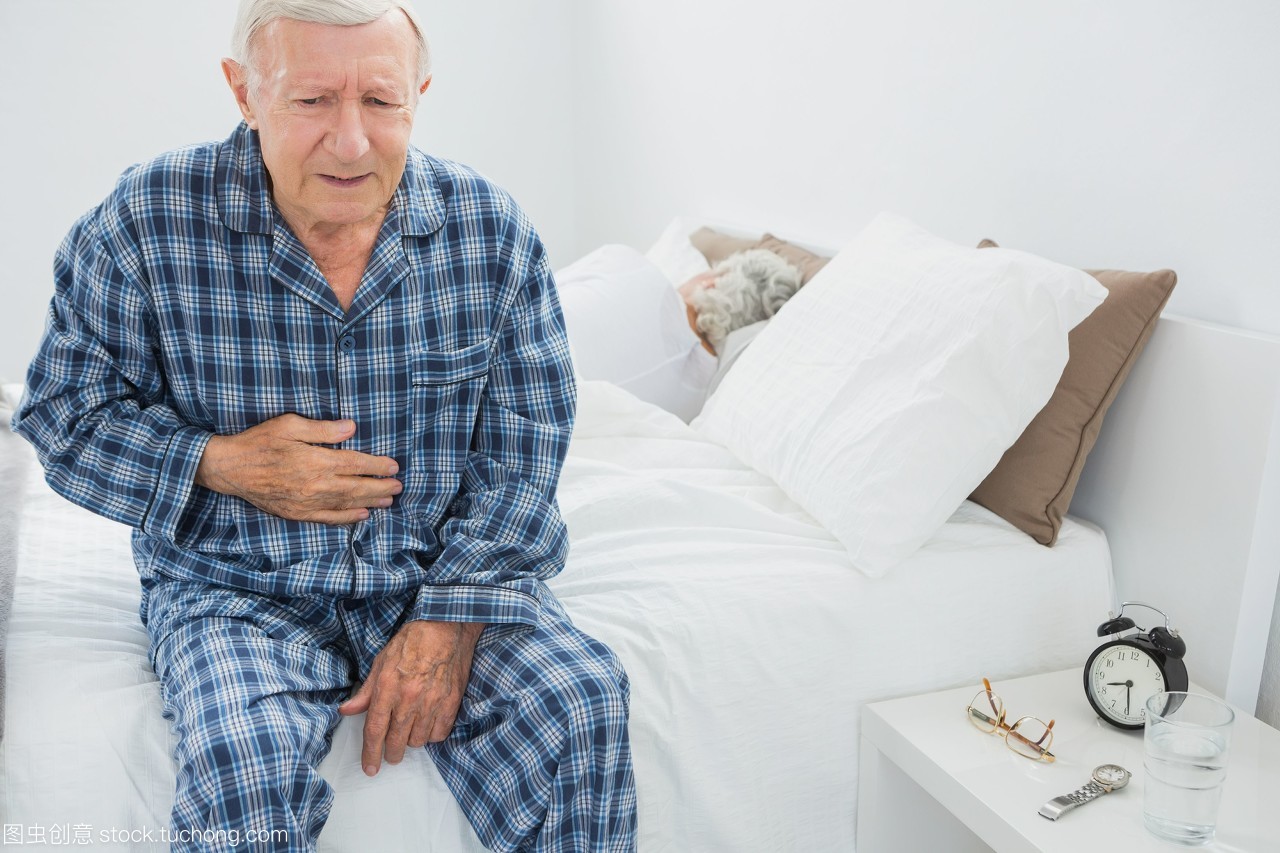
Indoor pollution refers to a series of maladaptive symptoms caused by indoor pollution sources that can release harmful substances or poor ventilation of indoor environment, which leads to the increasing number and types of harmful substances in indoor air.
Causes of indoor pollution - how to avoid indoor pollution
Overview of indoor pollution
Indoor pollution refers to a series of maladaptive symptoms caused by indoor pollution sources that can release harmful substances or poor ventilation of indoor environment, which leads to the increasing number and types of harmful substances in indoor air.
More than 70% of the human time is spent indoors, while more than 90% of the urban population spend indoors, especially for infants and young children, the elderly, the disabled and the disabled. However, the concentration of indoor air pollutants is generally 2-5 times that of outdoor pollutants, and in some cases dozens or even hundreds of times that of outdoor pollutants. Since the 1970s, the so-called sick building syndrome (SBS) has appeared in developed countries, which is the manifestation of potential problems of indoor air pollution. Indoor environmental pollution has become the third generation pollution after the industrial revolution in the 18th century (the first generation pollution) and the photochemical smog pollution (the second pollution) brought by the development of petroleum and automobile industry in the 19th century.
With the rapid development of social economy, modern people's pursuit of high quality continues to improve. The rapid development of China's real estate industry has brought about the vigorous development of building decoration industry. Compared with foreign developed countries, there is still a big gap in the supervision and management of the hygienic quality and requirements of building decoration materials in China,. A survey from the world bank shows that the annual loss caused by indoor air pollution in China, if estimated by the value of willingness to pay, is about 10.6 billion US dollars. At present, various health problems caused by indoor pollution have become prominent public health problems.
Causes of indoor pollution
At present, indoor pollution is a treatment project started in various countries. The indoor pollution in China is more serious. At present, the decoration materials are one of the main sources of formaldehyde pollution. The change of decoration materials is one of the products of the rapid development of modern society. The increasing progress of science and technology not only makes our life greatly improved, but also brings troubles and disasters that did not exist before. In the manufacture of decoration materials, many businesses use a large number of chemical products for benefit. The small amount of these chemicals within the specified range will not cause great problems. However, if large doses of these chemicals are used, not only will the manufacturing of decoration materials become the source of indoor pollution, but more seriously, it will pose a great threat to the human body and damage me Our health. Formaldehyde is a kind of chemical raw material which is the longest added by many decoration factories in the production process. Therefore, indoor formaldehyde pollution is a common problem after the decoration of new houses.
Secondly, household pollution is also an important factor. Whether it is decoration materials or furniture, in the production process will use a lot of different chemicals. Formaldehyde, benzene and so on play an important role in the manufacturing process of these goods, and these are the common indoor pollutants. Although many manufacturers boast that their products are pollution-free and formaldehyde free, as far as I know, China's manufacturing industry has not really reached such a high level. Therefore, it is inevitable to listen to the one-sided words of the merchants, which is inevitably arbitrary.
Two categories of indoor pollution
Abiotic pollutants
It also includes many kinds of pollutants, which can be divided into chemical pollutants and physical pollutants. Chemical pollutants are produced by building materials, decoration materials, household chemicals, cigarette smoke and combustion products. Physical pollution mainly refers to the radioactive pollution caused by indoor and outdoor foundation, building materials, indoor and outdoor noise, and magnetic radiation of indoor household appliances. In addition, there are also dust and inhalable particles pollution in the room.
Biological and microbial pollution
It refers to the pollution caused by domestic garbage, air conditioning, indoor flowers, pets, carpets, furniture, etc., including bacteria, bacteria, dust mites, etc.
Indoor air pollution is the main body of indoor environmental pollution. Indoor air pollution can cause a variety of irritation symptoms and allergic reactions, namely, building syndrome (SBS), building associated disease (BRI) and multi substance allergy (MCS). The main manifestations are respiratory system symptoms and eye irritation symptoms. Allergic reactions include allergic pneumonia, allergic rhinitis, asthma, etc In addition, it has mutagenicity and carcinogenicity, and many volatile organic compounds and natural gases are associated with cancer.
How to avoid indoor pollution
First of all, the housing should meet the lighting and ventilation rights. The occurrence of indoor pollution, in the final analysis, is to build the house and the people in the house (including Biology) and goods, change the unity with nature, indoor environmental protection is to restore the harmony between indoor environment and nature. Therefore, in the choice of housing, we should first meet two basic environmental rights and interests - lighting rights and ventilation rights.
The right to light depends on the sun for all things to grow. Indoor lighting is essential for home. Daylighting right is to require that the whole room sunshine (including the side) must reach the minimum value of national lighting coefficient. According to the current regulations, each house should have at least one living space to get sunshine. When there is more than 4 hours' living space (i.e. master bedroom), it should have at least 2 hours of sunshine. Among them, the area of the window opening whose height is less than 0.5m from the ground is not included in the lighting area, and the height of the upper edge of the window opening from the ground should not be less than 2m.
According to the survey, poor ventilation accounts for almost half of the major factors affecting indoor air quality, which is the main reason. Therefore, ventilation is the most important method to improve indoor air, and it is also the most effective means to eliminate indoor toxic chemical pollutants. Ventilation includes natural ventilation and artificial ventilation. At present, natural ventilation is still better.
Generally speaking, if you want to ventilate, you must have vent. The ventilation opening area of bedroom, living room (Hall) and open toilet should not be less than 1 / 20 of the floor area of the room; the ventilation opening area of the kitchen should not be less than 1 / 10 of the floor area of the kitchen, and should not be less than 0.6 square meters. According to the indoor air quality standard, the indoor fresh air volume should be kept at 30 cubic meters per hour per person.
Secondly, the living environment should be kept green. That is, houses, decoration, furniture, electrical appliances and all kinds of living goods, their selection, use, maintenance and maintenance should meet the requirements of environmental protection, especially in the purchase, we must strictly in accordance with the environmental quality standards, carefully select, as far as possible to achieve non-toxic, harmless, minimize indoor pollution and damage to human body. In the selection of building materials, it is recommended to use natural wood in line with environmental protection standards, and various stone materials should be used as little as possible.
Thirdly, we should pay attention to the room hygiene
1. To develop good health habits, keep indoor air fresh and sufficient sunshine at any time.
2. Bedding and clothes should be washed and dried frequently.
3. Rational use of detergents, disinfectants and cosmetics, shampoo, less use of pesticides, disinfectants.
4. Family pets should be quarantined and washed regularly.
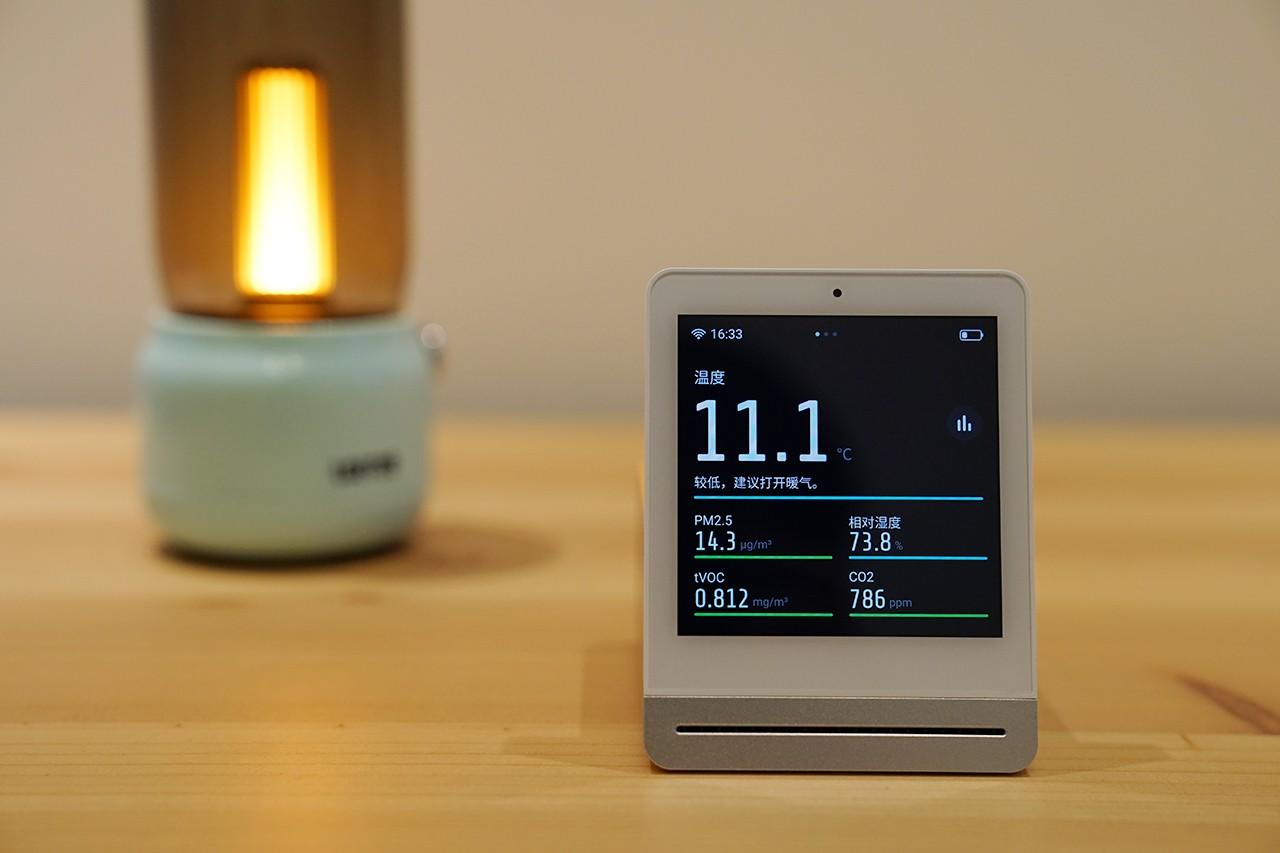
At the same time, it is necessary to enhance the awareness of indoor environmental protection, enhance the awareness of indoor pollution, and strengthen the daily monitoring. In case of discomfort or abnormal feeling, technical detection should be carried out as soon as possible and medical treatment should be timely conducted.
Anti indoor pollution of flower and seed grass
Planting flowers and grasses indoors can not only afforest and beautify the living environment, but also help people resist the pollution of indoor harmful substances and the damage to human health. These plants can be called the environmental protection guards of human living room.
Cactus and cactus can absorb carbon dioxide and harmful gases in the air and release oxygen and negative oxygen ions.
Chlorophytum is an expert in air purification. A basin of Chlorophytum can absorb carbon dioxide, sulfur dioxide, chlorine peroxide and other volatile gases within 24 hours. At the same time, it can absorb 96% carbon monoxide and 86% formaldehyde.
It can absorb nitrogen oxides and methane gases.
Agave can absorb 50% formaldehyde and 24% trichloroethylene.
Rose and rose can absorb sulfur dioxide.
Commelina communis has a strong ability to absorb sulfur dioxide.
Aloe can absorb 90% formaldehyde in 1 cubic meter air.
Under 24-hour illumination, Ivy can also absorb 90% benzene in 1 cubic meter of air.
Red stork flower can absorb xylene, toluene and ammonia in chemical fiber and paint.
Dracaena and Daisy can remove trichloroethylene.
Magnolia, Osmanthus fragrans and Chimonanthus praecox can absorb a lot of mercury vapor in the air.
Pomegranate flower can reduce the lead content in the air.
Peppermint is not only resistant to ozone, but also bactericidal.