How to make a good picture? In recent days, I have continued to share with you the theme, the role of the accompaniment, the relationship between the subject and the environment, and the blank space: the composition and the management of the picture. Today, I'd like to share with you how to use contrast techniques to manage pictures, so that our photos are more appealing. Let's have a look.
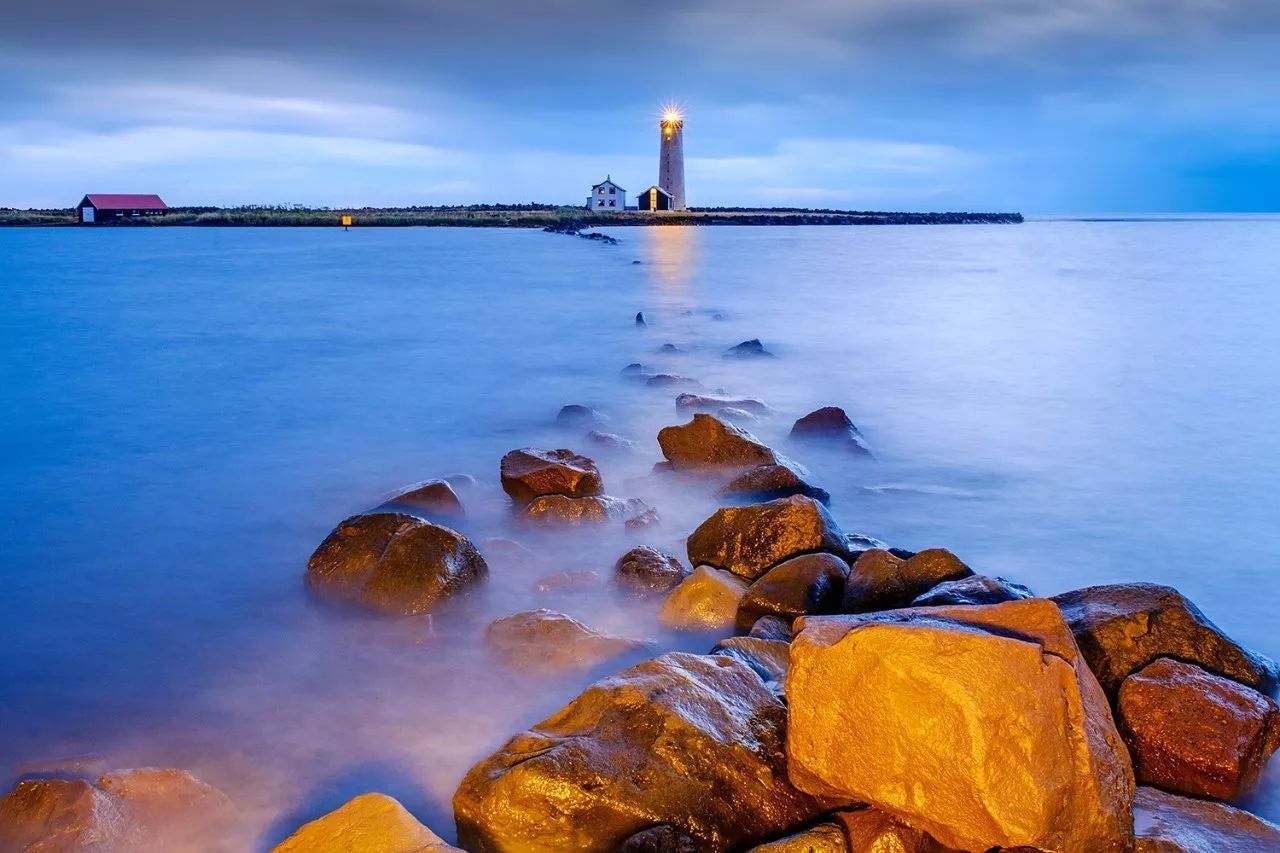
Shooting is to record the images of people and objects with cameras and video recorders. Different scenes have different shooting techniques, such as night scene shooting, rain shooting, building shooting, portrait shooting, etc. film dynamic art shooting is also a kind of shooting, but all should follow certain principles. With the progress of science and technology, shooting has become more and more simple, more in line with the popularization.
General principles
1. To highlight the main body
Portrait photography, of course, is mainly about people, so the focus is on the performance of people, even if the scenery is beautiful, it is also a foil. You want to take mm and mung bean so big, go back and wait for kneeling motherboard.
2. "One white covers three ugliness"
All mm want the skin white and delicate, so try to make the face fully exposed to light when shooting, and can increase 1 / 3 to 1 level of exposure through exposure compensation, so as to weaken the defects and whiten the skin.
3. Flexible handling angle
Everyone has their own good-looking side, a little fat mm can try to shoot from the top, the front face is not very good-looking on the side. Learn to observe and analyze, your works will be appreciated by mm.
contrast
Contrast is a very effective composition technique. Through the comparison of the size, light and shade, virtual and real, dynamic and static and density between the scenes, the differences between the scenes can be emphasized, and the visual impact and artistic appeal of the picture can be enhanced, so that the viewer can fall in love with your photography at a glance. The focus of comparative composition is observation. The photographer should be good at finding the differences between the scenes and showing them in the composition. Here we will introduce the most classic and common 6 kinds of contrast composition techniques.
1. Size comparison
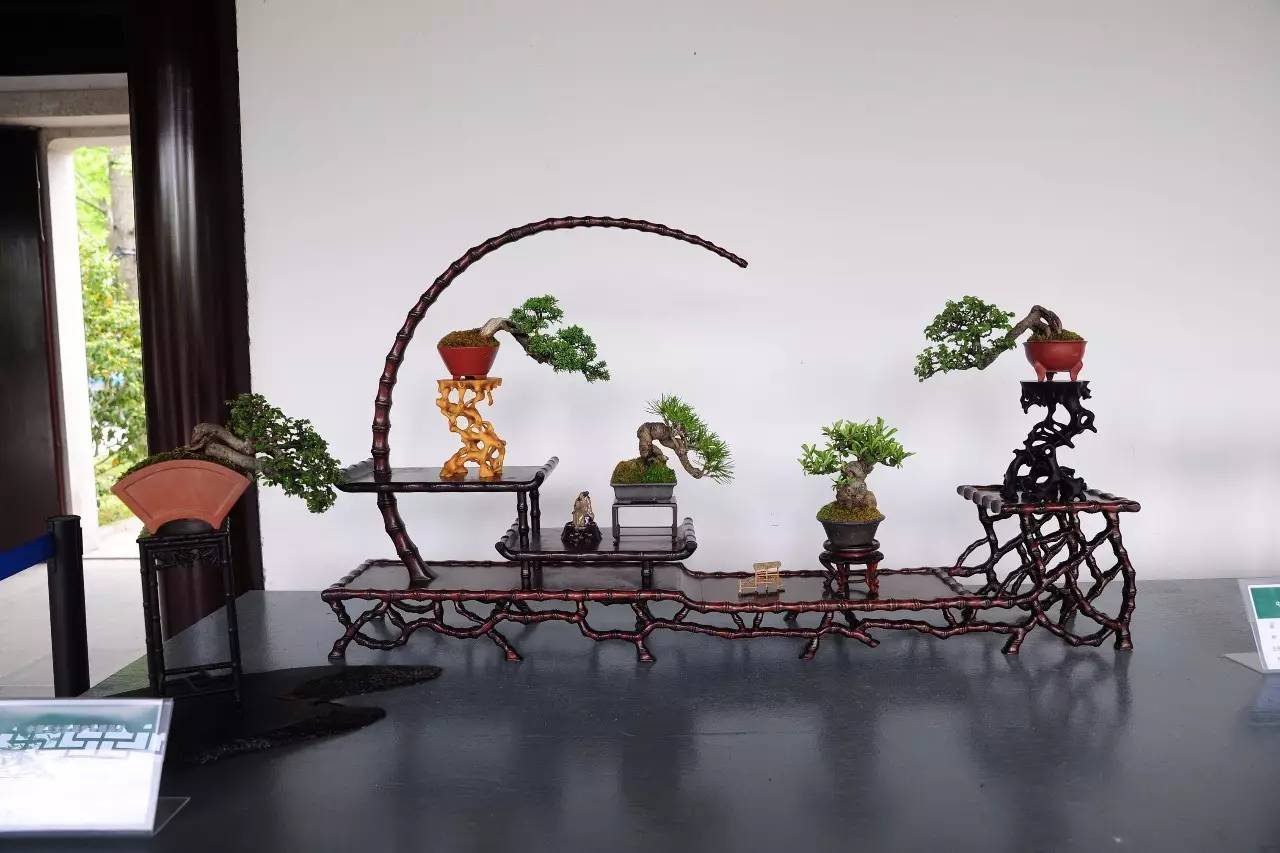
For some simple objects, it is difficult to make a brilliant picture directly if they do not have a special shape. At this time, you can adjust the viewing angle or the focal length of the lens to make the subjects show some differences in size, and the picture will be more attractive. That is to say, in the face of the same object, we strengthen the form sense of the picture through the size contrast, making the picture more interesting, which is the size contrast composition. It should be noted that the size contrast of the scenery is better to be the same. Of course, this is not absolute. Sometimes we use some tall mountains, buildings, etc. to compare the size of the characters, but the objects should be on the same plane.
In the picture above, everything in the sun reflects a unique temperament. The composition of the picture is simple, the color contrast is strong, and the details and texture are more delicate.
2. Comparison between deficiency and reality
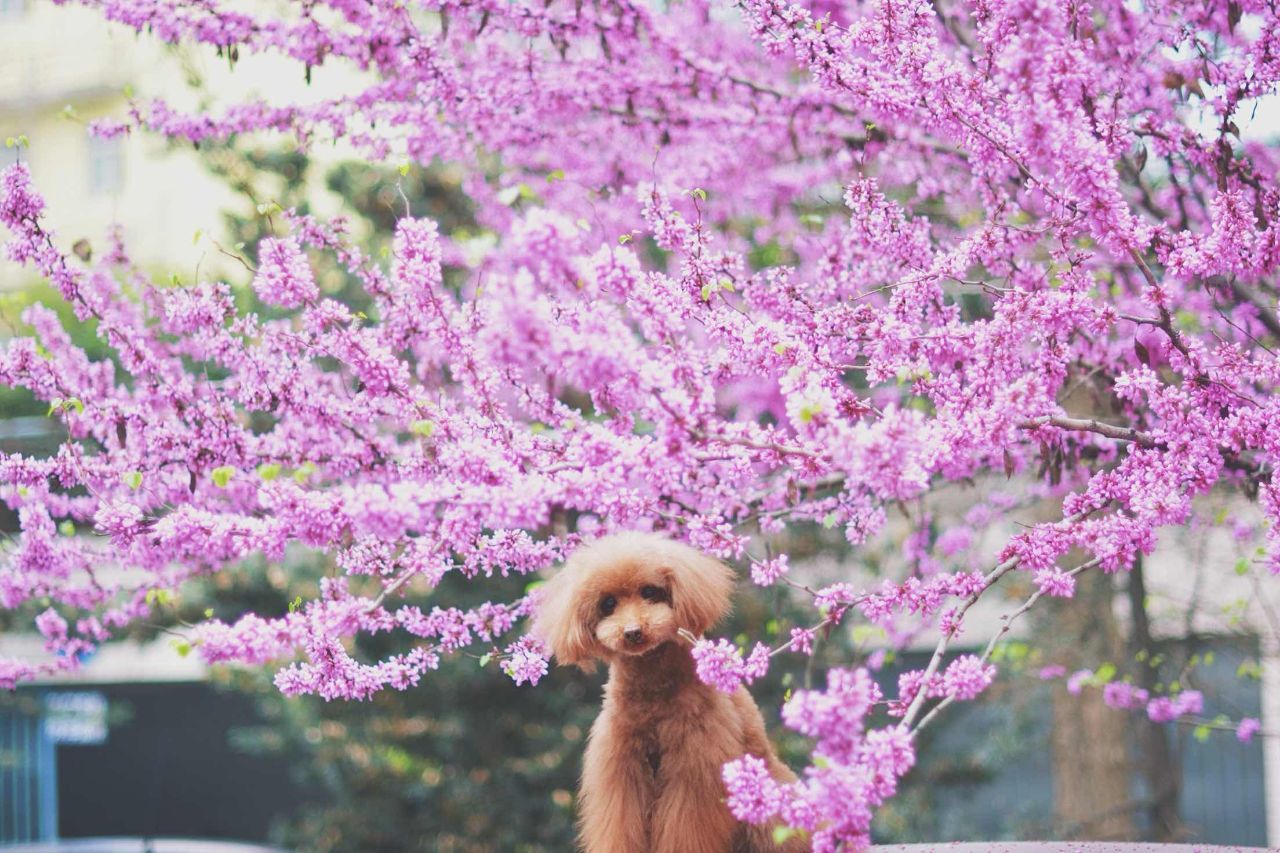
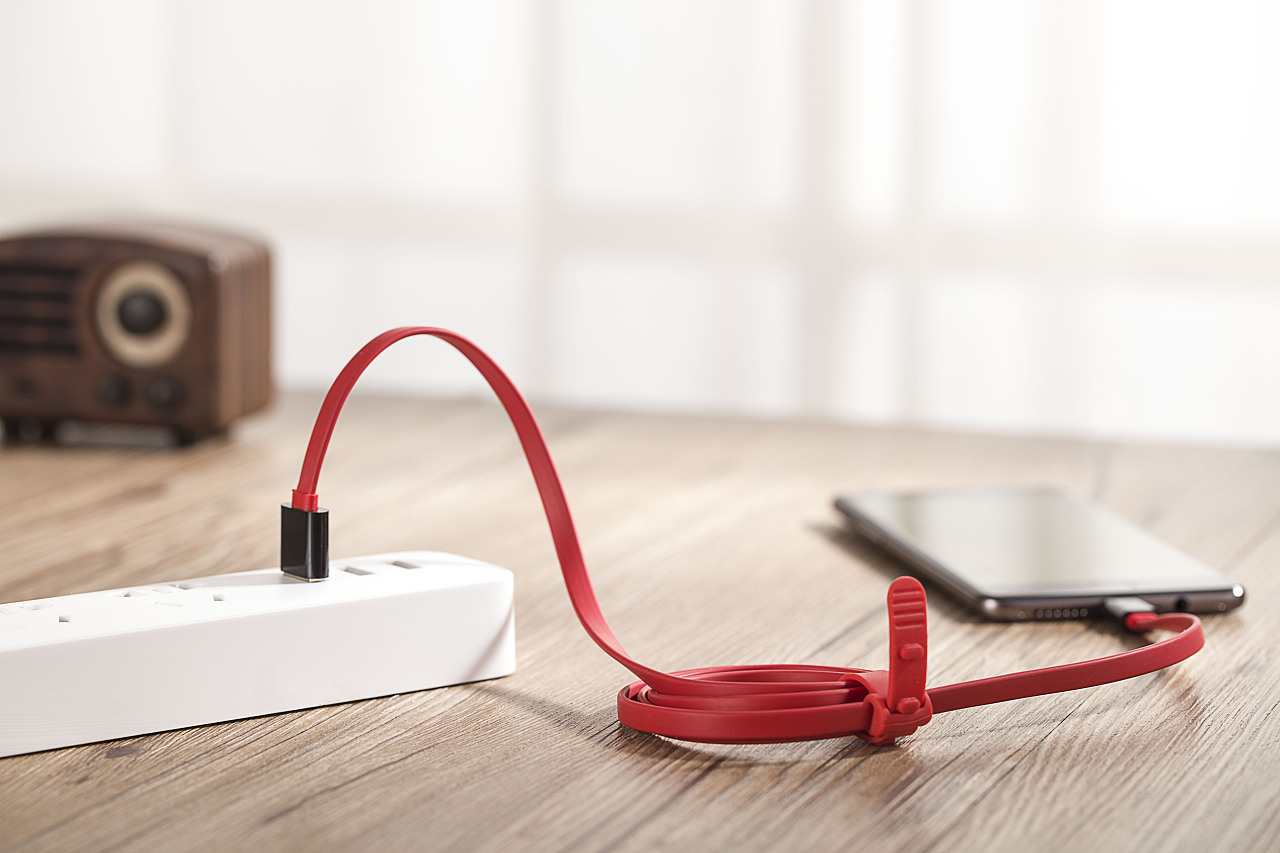
The contrast between the virtual and the real is a very common form of contrast composition, it is to set off the clear (real), highlight the main body, strengthen the theme of the picture. What needs to be noted is that this kind of contrast between virtual and real must ensure that the main part is clear. In addition, we should not let the virtual area become too virtual and do not retain a little outline, otherwise it will not play the role of virtual real contrast.
In the above picture, the large circle of light makes the background virtual, so that the untitled texture and details in the foreground can be well expressed, creating a kind of endless and inextricable picture effect.
3. Dynamic and static contrast
Dynamic and static contrast composition, is the use of speed difference to create the effect. When we shoot at a relatively slow shutter speed, the faster moving object is too fast for the shutter speed. The camera can't capture its instantaneous clear picture, resulting in motion blur. However, the slow or static object will be clearly recorded. In this way, the dynamic and static states of the objects in different scenes will be recorded at the same time.
Of course, some static sculptures and figures in the scene can also form dynamic and static contrast with the walking figures, which is more effective in shooting some simple and clean scenes. If the scene is messy, it is difficult to make people notice the contrast.
There are still Buddha statues and pedestrians walking in the rain. There is a quiet picture atmosphere with lingering charm.
4. Density contrast
Photography is not a graphic design. The real scene we are facing is sparse, dense and full of changes. Only by showing the dense distribution and natural contrast of the picture, can the viewers feel real, relaxed and comfortable.
In the above picture, a seemingly ordinary scene implies many composition elements. The large area of garlic in the foreground forms the triangle composition skillfully, and the picture is dense and orderly. At the same time, the large area of white garlic and the background form a clear color contrast, making the main picture more prominent.
5. Shape contrast
When there are rich patterns and shapes in the picture, we may focus on the contrast and difference between shapes. We would like to see what the differences between the different shapes are and what they mean. The contrast of this shape, as long as it arouses the curiosity of the appreciator, is successful.
In the above picture, the colorful stickers in the building form rich color blocks against the sunlight. The use of wide-angle lens makes the building appear broad and orderly, so we have to sigh at the author's sharp vision.
6. Contrast of light and shade
In general, the light and dark contrast composition emphasizes the object of the light. This form of composition has two advantages, the biggest advantage is that it can enhance the visual impact of the screen, so that the focus of the scene in the light is very eye-catching and intuitive; in addition, with the power of shadow, it can hide some messy interference elements.
In the figure above, the contrast between light and shade is used to weaken the foreground and highlight the main body. The figure in the foreground echoes with the shape of the building. The picture is concise and loud.
7. Flexible use of references
After many models of real objects are photographed, they may achieve the purpose of falsehood and falsehood. For example, if we are close to some toy cars, we may shoot them very large. If there is no other reference to compare with them, we can't know whether the object is real or toy. In other words, without a reference, the viewer may not be able to determine the size of the subject.
In practical application, we can not only use the reference object to let the viewer know the actual size of the object, but also flexibly change the viewing angle to go the opposite way. With the help of some references, we can set off the high or small degree of the object. For example, when you need to exaggerate the shape of an object, you can use an ultra wide angle lens. If you are close to the object, the reference object in the distance will appear very small, which will set off the object in front of the lens. This is also a kind of size contrast.
In the above picture, the picture gives people a strong visual impact. The wide-angle lens with the effect of near large and far small makes the horn on the right exaggerated, enhancing the space sense and three-dimensional space of the picture.