Thermos cup used for a long time, how much will produce some peculiar smell, feel unsanitary, also affect the mood. Buy a new cup? Spend money again! Today, I'd like to share how to remove the odor of thermos cup. I hope it can help you.
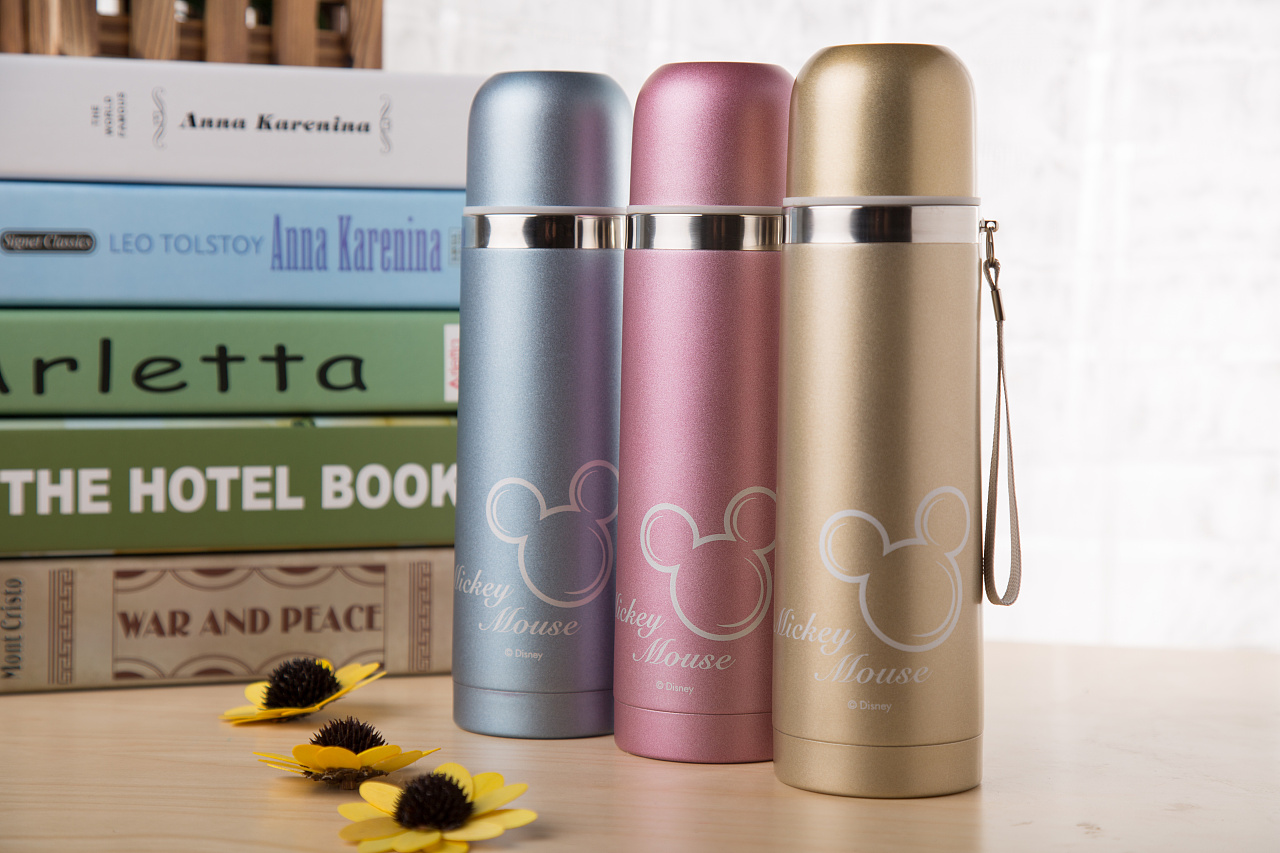
Methods for removing odor from thermos cup:
1. Baking soda to warm cup odor method: pour hot water into the tea cup, add baking soda, shake, place for a few minutes, pour out, smell and scale all removed.
2. Toothpaste to heat preservation cup odor method: toothpaste can not only remove the oral odor, clean teeth, but also remove the odor in the tea cup. Clean the tea cup with toothpaste, and the odor will disappear immediately.
3. Saltwater to thermos cup odor method: prepare salt water, pour into the tea cup, shake and place for a while, then pour out and rinse with water.
4. Boiling to heat preservation cup odor method: you can put the tea cup into the tea boiling for 5 minutes, and then clean it with water and dry it in the air, and there is no odor.
5. Milk to heat preservation cup odor method: pour half a cup of warm water into the tea cup, then pour in a few spoonfuls of milk, gently shake, place for a few minutes, then pour out, and then clean with water to remove the odor.
6. Orange peel to warm cup odor method: first use detergent to clean the cup, then put the fresh orange peel into the cup, tighten the cup cover, place for about four hours, and finally clean the cup. Orange peel can also be replaced by lemon, the method is the same.
Mistakes in the use of thermos cups:
Making tea in a thermos cup
Tea is easy to rancidity and taste in high temperature environment for a long time. The tea polyphenols, vitamin C and other nutrients in the tea will be lost. Moreover, the protein, sugar and other nutrients in the tea will become a hotbed for bacteria and mold growth. If you drink tea with a thermos cup, you should not drink the tea after it has been kept for more than four hours, otherwise it will easily cause diarrhea.
Foreign brands are better than domestic brands
The heat preservation effect of domestic brands and foreign brands is not as great as you think. After all, vacuumizing is not a great technology. Of course, lax quality control and careless technical aspects are common problems in China. Details determine the quality! As the saying goes, every cent is worth, but compared with domestic thermos cups, the price of foreign brands' thermos cups is often domestic products Several times of the card, but the insulation effect may only be more than 2 hours.
The heat preservation effect of thermos cup is always good
The heat preservation effect of the heat preservation cup will gradually become worse with the increase of time, because the general vacuum can not reach absolute vacuum, so the getter will be added in the cup to absorb the residual air, and the getter will have a "shelf life". After the quality assurance, the natural heat preservation effect will become worse.
The thermos cup is to keep warm all the time
The length of holding time does represent the advanced production technology of thermos cups. However, the ordinary cup mouth does not need such a long heat preservation effect. Imagine if you find that the water in the cup is still hot in the afternoon, how can it be. Therefore, the holding time of the general small capacity thermos cup is slightly shorter than that of the "bullet head" type thermos cup.
How to buy high quality vacuum cup?
Take a look at the appearance of the cup. First, to see whether the surface polishing of the inner and outer bladder is uniform, and whether there are bumps and scratches;
Second, see whether the mouth welding is smooth and consistent. This is related to the feeling of drinking water together;
Third, the quality of plastic parts is poor. It will not only affect the service life, but also affect the sanitation of drinking water;
Fourth, check whether the internal seal is tight. Whether the screw plug and the cup fit properly. Whether the screw in and out is free and whether there is water leakage. Fill a glass of water, invert it for four or five minutes or shake it hard to verify whether there is water leakage. Then look at the heat preservation performance, which is the main technical index of the heat preservation cup. Generally, it is impossible to check according to the standard when purchasing, but it can be checked by hand after filling with hot water. The lower part of the cup body will be heated after two minutes of filling the cup without heat preservation, while the lower part of the cup with heat preservation is always cool.
There are several specific methods as follows:
1. Simple identification method of vacuum insulation performance: pour boiling water into the thermos cup, screw the stopper or cap clockwise for 2-3 minutes, and then touch the outer surface of the cup body by hand. If the cup body has obvious warm phenomenon, it means that the product has lost the vacuum degree and can not achieve good heat preservation effect.
2. Sealing performance identification method: after adding water to the cup, screw the bottle plug and cap clockwise, and place the cup flat on the table top without water leakage; the rotation of the cup cap and the cup mouth should be flexible without gap.
3. Plastic parts identification method: food grade new plastics are characterized by small smell, bright surface, no burr, long service life and not easy to aging. Common plastics or recycled plastics are characterized by strong smell, dark color, many burrs, easy aging and fracture of plastics.
4. Simple capacity identification method: the depth of the tank is basically consistent with the height of the shell (the difference is 16-18mm), and the capacity is consistent with the nominal value. Some poor quality thermos cups add sand and cement blocks to make up for the missing weight. Misunderstanding: heavy cup (pot) is not necessarily good.
5. Simple identification method for stainless steel materials: there are many specifications of stainless steel materials, among which 18 / 8 means that the stainless steel material contains 18% chromium and 8% nickel. The materials meeting this standard meet the national food grade standard and are green environmental protection products with rust and corrosion resistance. The color of ordinary stainless steel cup is white and dark. If it is soaked in 1% salt water for 24 hours, rust spots will be produced. Some elements in the cup exceed the standard, which will directly harm human health.